
The Complete Guide to Property Management

A valid DPE (France’s mandatory energy performance certificate), a solid inspection report, and up-to-date rent receipts: those are the three pillars of compliant property management. This guide covers the basics of long-term rental management, from the energy certificate to management costs.
What is an energy performance certificate (DPE)
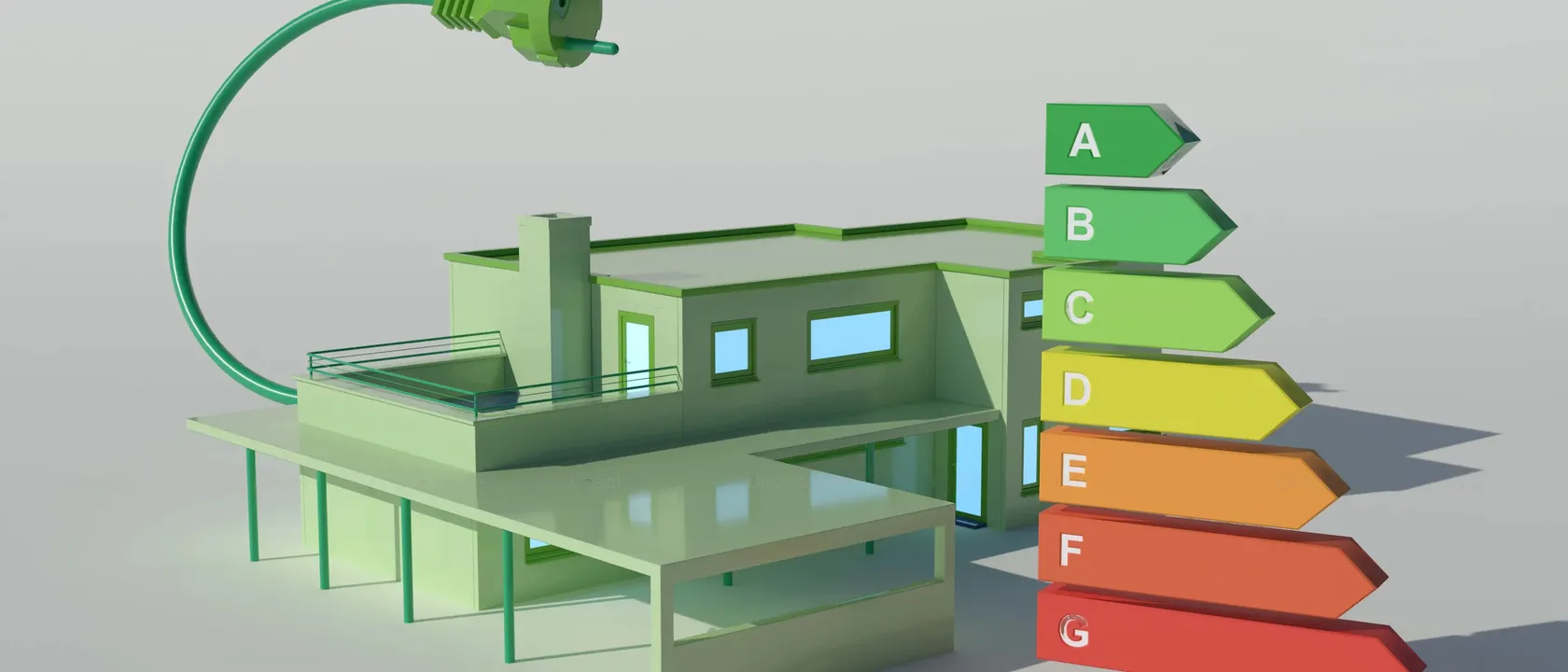
The DPE is a mandatory document that rates a home’s energy performance. It tells future occupants how much energy the property uses and what its environmental impact is, with a rating from A (very efficient) to G (very energy-hungry).
The move-out inspection report and other essential documents
When a tenant leaves, the move-out inspection report is essential: it describes the condition of the property at departure and helps settle any disputes. Keeping a PDF version of every inspection report makes it easier to store them and compare against the move-in condition. Tools like Unlocker’s professional inspection reports let you generate this document in digital format straight from your phone.
Rent receipts and payment tracking
Property management also means handling payments and financial documents. The rent receipt confirms that the tenant has paid: keeping a precise record of these payments and related costs prevents disputes when there’s a disagreement, for example over the guarantees asked of a tenant or the costs to expect on top of the rent.
The cost of property management
Hiring a professional to manage a property can save you time and headaches. The cost varies with the services included and the specifics of the property. To work out exactly what a rental earns (or costs) you, the profitability of a rental investment comes down to a few simple ratios.
DPE regulations currently in force
In France, strict DPE rules are gradually restricting the rental of the lowest-rated homes:
| Date | Restriction |
|---|---|
| January 1, 2023 | Ban on renting out G-rated homes using more than 450 kWh/m²/year |
| January 1, 2025 | Ban on renting out G-rated homes |
| January 1, 2028 | Ban on renting out F-rated homes |
| January 1, 2034 | Ban on renting out E-rated homes |
These restrictions aim to improve the energy performance of housing and reduce its environmental impact. It’s essential to check that your property meets these standards to avoid penalties and rental bans.
Government aid for owners
Several programs exist to help owners comply with these regulations:
- MaPrimeRénov’: a grant to fund energy renovation work.
- Éco-prêt à taux zéro (Éco-PTZ): an interest-free loan for energy renovation work.
- Energy saving certificates (CEE): financial aid offered by energy suppliers.
- Local aid: some local authorities offer grants for energy renovation work.
For more details, the ministry’s page on energy renovation aid lists each program and its conditions.
To go further on the basics of rental investing before you start managing, the practical guide to succeeding at rental investment complements the points above.
- Diagnostic de performance énergétique (DPE) — calendrier d'interdiction de location (ecologie.gouv.fr) — verified on September 26, 2026
Rachel Stehlin has been Legal Services Manager at Unlocker since September 2022. A lawyer by training, with a master's degree in law from the University of Haute-Alsace, she spent more than 13 years as a court-appointed delegate for the protection of adults under guardianship. At Unlocker, she handles legal questions around rental management and the carte G (the French property management license).
Long-Term Rental Management for Concierge Companies
Leases, guarantees, renewal and disputes in a single guide.
More on Long-term management
All Long-term management articles


Your lease, signed and sorted.
Draft your leases and collect rent in the same place: unfurnished, furnished, mobility, with e-signature.