
Civil Code Lease: Why Corporate Housing Is the Untapped Gold Mine of Your Concierge Business

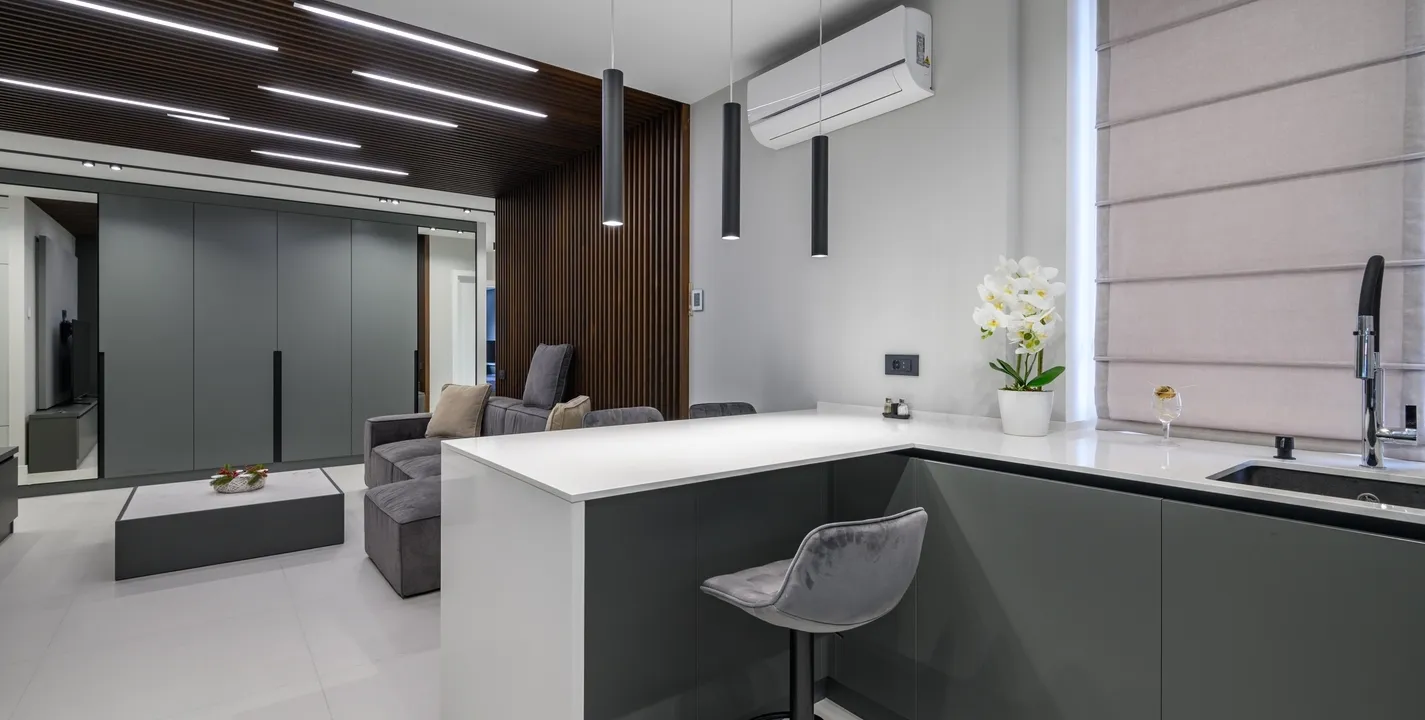
Why pivot to institutional and B2B clients?
The classic short-term rental market is volatile. To stabilize and scale a concierge company, you need to know how to serve key accounts. Companies and institutions are constantly looking for housing for employees on assignment or on the move. This type of lease widens your scope in long-term rental management.
The strategic upside
-
Revenue optimization: “Corporate” budgets are less sensitive to seasonal swings than leisure tourism.
-
Payment security: When you deal with a legal entity (a company), the risk of payment default is practically eliminated.
-
Simpler operations: Mid-term stays (1 to 10 months) drastically cut your turnover costs (cleaning, check-in).
The Civil Code lease: contractual freedom that serves your returns
To operate in this market, the standard rental contract (the Law of July 6, 1989, France’s residential tenancy law) is a poor fit because it’s too rigid. The solution is the Civil Code lease: a lease governed by the general rules of the French Civil Code rather than the 1989 residential tenancy law.
| Feature | Standard rental (1989 Law) | Civil Code lease (Unlocker) |
|---|---|---|
| Tenant type | Individual (natural person) | Company (legal entity) |
| Use of the property | Primary residence | Corporate housing / assignment |
| Rent setting | Capped (high-demand areas) | 100% free |
| Lease term | Minimum 1 year (furnished) | Tailor-made (1 month to 1 year) |
| End of contract | Tenant notice period required | Automatic at the agreed end date |
| Applicable framework | Protections of the 1989 Law | Contractual freedom of the Civil Code |
The Law of July 6, 1989 only applies to rentals that are the tenant’s primary residence. Since the occupant doesn’t make the property their primary residence, you step outside the usual regulatory framework and into the contractual freedom of the French Civil Code.
The performance levers of the Civil Code lease
-
Rents that aren’t tied to the cap: Rent control (in high-demand areas) doesn’t apply. The price is set freely between you and the company.
-
Contractual agility: You decide the exact length of the lease and the exit terms, without the legal notice period constraints of residential leases.
-
Asset protection: The lease ends automatically, there’s no right to renewal, and the protections tied to primary residences are excluded.
Meet the standards of finance departments
A finance department will never approve a payment to a personal account, or through a consumer platform, for a 6-month assignment. To capture these payments, your setup has to be flawless.
What B2B decision-makers require
-
A legally solid Civil Code lease drawn up in the company’s name.
-
Payment by SEPA bank transfer (the standard for cost accounting).
-
Accurate, automated rent receipts and invoices.
If your tech stack can’t deliver that rigor, you’re automatically disqualified in large companies’ procurement processes.
How Unlocker secures your Civil Code transactions
Handling Civil Code leases and incoming transfers by hand is a source of legal risk and accounting errors.
The Unlocker technology layer
-
Civil Code lease generation: Through our carte G delegation (carte G is the French property management license), you get compliant contracts that protect your owners’ interests.
-
Automated bank reconciliation: Unlocker creates dedicated payment accounts. The company pays by bank transfer, and the system instantly identifies the payment so it can be split.
-
Real-time rent receipts: As soon as your client’s finance team approves the transfer, Unlocker generates and sends the rent receipt.
-
Owner reporting: You give your owners clear visibility into income secured by institutional tenants.
Diversifying upmarket
The Civil Code lease is the lever that turns a concierge company into a true real estate asset manager. By adding B2B flows to your model, you increase the value of your mandate portfolio.
**Need to structure your offer for key accounts?
**See how Unlocker’s carte G delegation secures your B2B leases
Related reading
- Article 2, loi n° 89-462 du 6 juillet 1989 — champ d'application (résidence principale) (Légifrance) — verified on September 26, 2026
Rachel Stehlin has been Legal Services Manager at Unlocker since September 2022. A lawyer by training, with a master's degree in law from the University of Haute-Alsace, she spent more than 13 years as a court-appointed delegate for the protection of adults under guardianship. At Unlocker, she handles legal questions around rental management and the carte G (the French property management license).
Long-Term Rental Management for Concierge Companies
Leases, guarantees, renewal and disputes in a single guide.
More on Long-term management
All Long-term management articles


Your lease, signed and sorted.
Draft your leases and collect rent in the same place: unfurnished, furnished, mobility, with e-signature.